

If you've been shopping for computer memory lately, you've probably experienced some serious sticker shock. What used to cost $50 is now $150. What used to be a simple $100 upgrade is suddenly pushing $300 or more. You're not imagining things – RAM prices have absolutely skyrocketed in 2026.
As someone who's been helping Peterborough residents and businesses with their computer needs for years, I've seen the confusion and frustration firsthand. Customers come in expecting to do a quick memory upgrade and walk away stunned by the quotes. So let's break down what's happening in the memory market and, more importantly, what you should do about it.
The Perfect Storm Driving RAM Prices Through the Roof
The short answer? We're dealing with a perfect storm of demand and supply issues that's unlike anything we've seen in the computer industry.
AI Data Centers Are Eating All the Memory
The biggest culprit is the massive boom in artificial intelligence. Every tech company is building AI data centers, and these facilities are absolutely hungry for memory. We're talking about servers that need hundreds of gigabytes of RAM each, and there are thousands of these servers going online every month.
This isn't just Google or Microsoft – it's everyone from startups to major corporations jumping into AI. The result? These big players are buying up memory supplies by the truckload, leaving much less available for regular consumers and small businesses.
The DDR5 Transition Is Creating Chaos
Remember when DDR4 was the hot new thing? Well, the industry is now transitioning to DDR5, and it's creating a supply nightmare. DDR5 offers better performance and efficiency, but manufacturing capacity is still ramping up. Meanwhile, DDR4 production is being phased out.
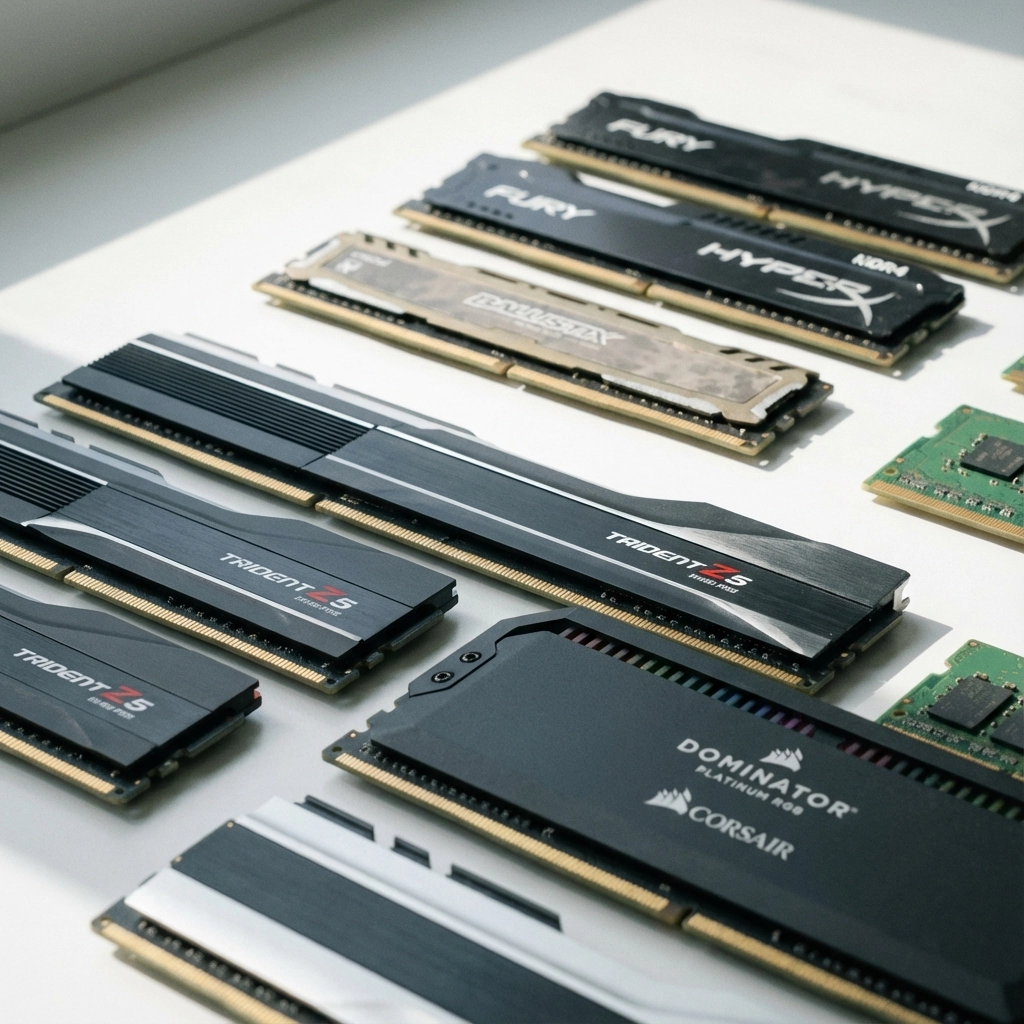
Here's where it gets frustrating for consumers: instead of DDR4 getting cheaper as it becomes "old technology," it's actually getting more expensive because there's less of it being made. It's the worst of both worlds – you can't get cheap DDR4, and DDR5 costs a fortune.
How Bad Are We Talking?
Let's put some real numbers on this. DDR5 memory has increased over 100% compared to last year's prices. That 32GB kit that might have cost you $200 in 2025? You're looking at $400+ now.
Even DDR4, which should theoretically be getting cheaper, is seeing significant price increases. A basic 16GB DDR4 kit that used to run about $60 is now pushing $120-150.
For our local businesses in Peterborough, this is particularly painful. Small offices that were planning routine computer upgrades are now facing budget decisions they weren't prepared for.
Modern Computers Need More Memory Than Ever
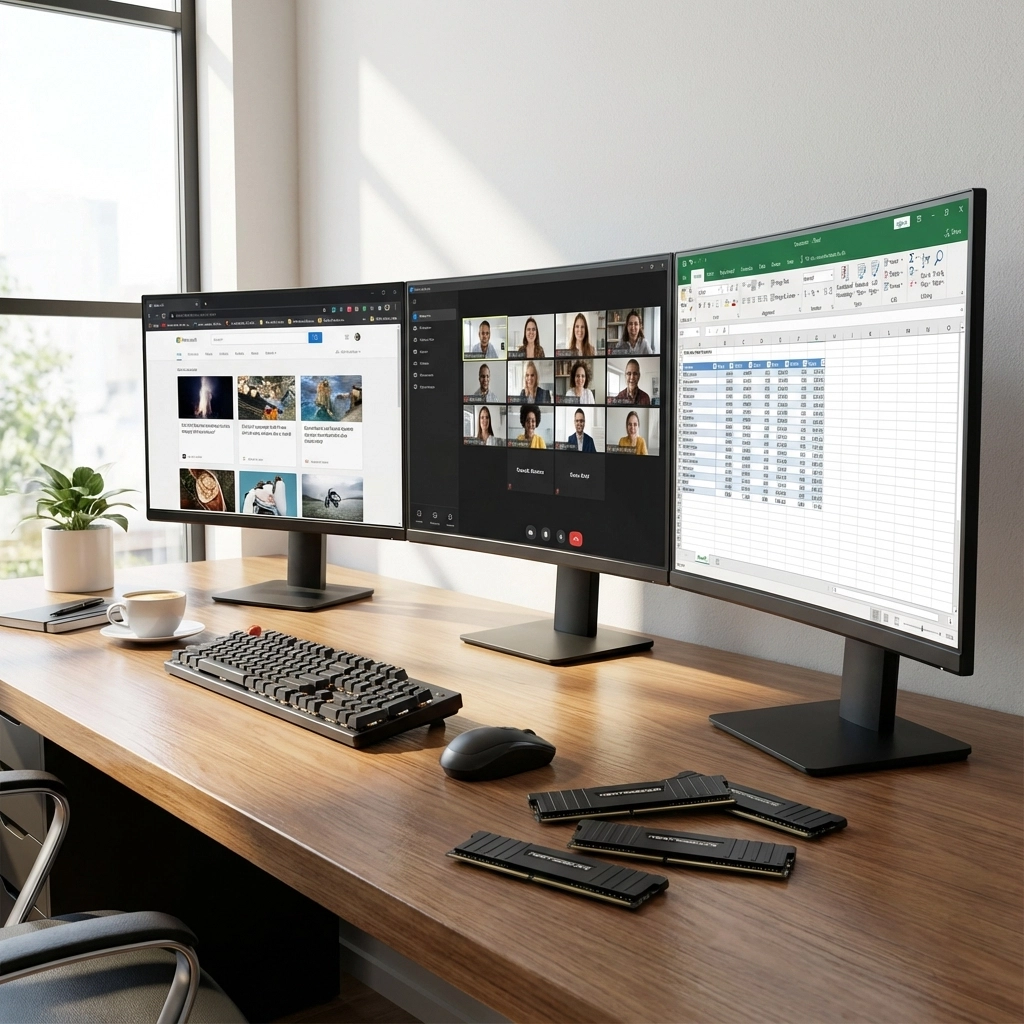
Part of what's driving demand is that software has gotten incredibly memory-hungry. What used to be considered "professional-grade" memory requirements – 16GB or 32GB – are now becoming standard expectations for everyday computing.
Think about it: you've got multiple browser tabs open, maybe Zoom running, some Office applications, cloud sync software, and background security programs. Before you know it, 8GB of RAM feels sluggish, and even 16GB can feel tight if you're doing any serious multitasking.
This shift in requirements means more people need memory upgrades, right when memory is at its most expensive. It's terrible timing for consumers.
Should You Upgrade Now or Wait?
This is the question I get asked most often, and my honest answer for most people is: wait if you can.
Industry experts are projecting that these high prices will persist through 2026, with major relief still years away. New manufacturing facilities are under construction, but they won't meaningfully impact supply for quite a while. Current production capacity is maxed out, and it takes years to build new memory fabrication plants.
When You Should Upgrade Despite the High Prices:
- Your computer is genuinely unusable due to memory limitations
- You're running a business-critical application that's constantly crashing from lack of memory
- You're losing productivity or money because of memory bottlenecks
- You're planning to keep your current computer for many more years
When You Should Definitely Wait:
- Your computer works fine for your daily tasks
- You're just looking to "future-proof" your system
- You can manage your current workload with some minor adjustments
- You're planning to buy a new computer within the next 1-2 years
Smart Strategies for Dealing with High RAM Prices
If you absolutely need more memory, here are some strategies to minimize the financial pain:
Consider Used or Refurbished Memory
The used memory market hasn't inflated quite as dramatically as new memory. We can help you find quality used RAM that's been tested and comes with a warranty. It's not always available in the exact specifications you want, but it can save you 30-50% over new prices.
Optimize Before You Upgrade
Before spending hundreds on new memory, let's make sure you're getting the most out of what you have. Simple optimizations like managing startup programs, clearing out unnecessary files, and updating drivers can sometimes eliminate the need for a memory upgrade entirely.
Buy Exactly What You Need
Don't overbuy in this market. If 16GB will solve your immediate problems, don't jump to 32GB just because it feels like better value per gigabyte. Every dollar counts when prices are this high.
Consider Alternative Solutions
Sometimes what feels like a memory problem is actually something else. A slow hard drive can make your computer feel memory-starved when it's really struggling with storage speed. Upgrading to an SSD might give you the performance boost you're looking for at a fraction of the cost of a memory upgrade.
What About Other Upgrades?
RAM isn't the only component seeing price increases, though it's definitely the most dramatic. Graphics cards, SSDs, and even some processors have seen modest price increases, but nothing like what we're seeing with memory.
If you're planning a computer upgrade, this might actually be a good time to focus on other components:
- Storage upgrades are still relatively affordable and can provide dramatic performance improvements
- Graphics card prices have stabilized and even decreased in some segments
- CPU upgrades can sometimes provide better value than memory upgrades right now
How We Can Help You Navigate This Market
At Preferred Computer Solutions, we understand how frustrating these price increases can be. That's why we work one-on-one with each customer to find the most cost-effective solution for their specific situation.
We'll honestly assess whether you actually need a memory upgrade or if there are other, more affordable ways to get the performance you're looking for. If you do need more RAM, we'll help you find the most economical option that meets your needs.
We also have relationships with suppliers that sometimes allow us to get better pricing than you'd find shopping online, especially for business customers who need multiple systems upgraded.
Our Approach:
- Free consultation to assess your actual memory needs
- Honest advice about whether to upgrade now or wait
- Access to both new and refurbished memory options
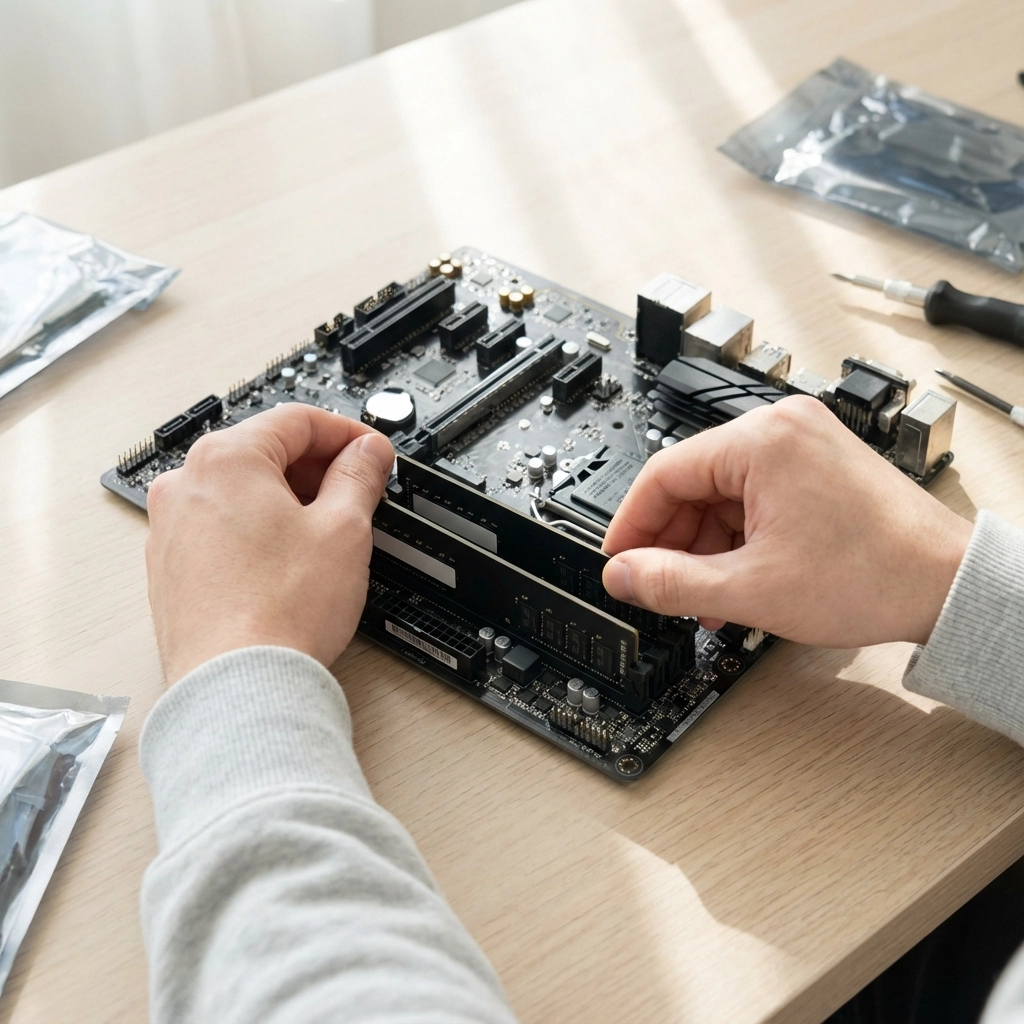
- Professional installation and testing
- Warranty on all memory we install
The Bottom Line
Yes, RAM prices are genuinely terrible right now, and unfortunately, they're likely to stay that way for a while. But that doesn't mean you're stuck with a slow computer. With the right strategy and professional guidance, you can often solve performance problems without breaking the bank.
If you're dealing with computer performance issues or trying to decide whether a memory upgrade makes sense in this market, bring your system in for a free consultation. We'll give you an honest assessment and help you make the most cost-effective decision for your specific situation.
Don't let high memory prices force you into a rushed decision. Let's figure out the smartest approach for your needs and budget.
Ready to explore your options? Visit us at https://www.pcs-nh.com or stop by our Peterborough location. We're here to help you navigate these challenging market conditions and keep your technology running smoothly without overspending.

Recent Comments